When Local Expertise Makes the Difference
By João Tocha, Founder – Digital Azul
In film and television production, the role of the fixer is widely understood. International crews rely on local expertise to navigate locations, logistics and the countless practical details that sit behind any successful shoot.
What matters more is how that role is executed.
At Digital Azul, the fixer is not simply someone who makes calls or solves occasional problems. The role sits inside a wider production ecosystem that combines local knowledge with technical infrastructure, equipment access and production experience. The result is a level of support that allows visiting productions to work in Portugal with the same confidence and efficiency they would expect in their own country.
Support That Starts Before the Shoot
For many international productions arriving in Portugal, the first challenge is not creative. It is practical. Long before a crew arrives on location, work is already underway. Locations need to be secured, permits arranged, local crew sourced and equipment organised in advance. Transport, props, casting and schedules must all be aligned before the camera ever starts rolling.
A Digital Azul fixer acts as the point where all of those elements converge. Rather than operating as an isolated local contact, the fixer works alongside the company’s rental, motion, sound and live production teams. This means that when a problem arises or a request appears late in the planning process, the solution is already within reach.
In practical terms, this approach reduces friction for the production team. Directors and producers can concentrate on the creative work, knowing that the logistical and technical framework around them is being managed by people who understand both the local environment and the realities of international production.
Making It Work on the Ground
A recent music video shoot for an international DJ illustrates how this plays out in practice. The finished piece shows a series of cinematic moments on a Portuguese beach. To the viewer it appears simple and effortless.
Behind the scenes, the project required coordinating multiple elements simultaneously. Beach locations had to be secured with permission for night filming and bonfires. Drone operations required authorisation. Vehicles, props and surfboards had to be sourced. A local family was cast for the scene, and a classic Volkswagen van was located to match the visual concept. All of these details had to align within the production schedule so that the creative team could arrive on location and focus entirely on the shoot itself.
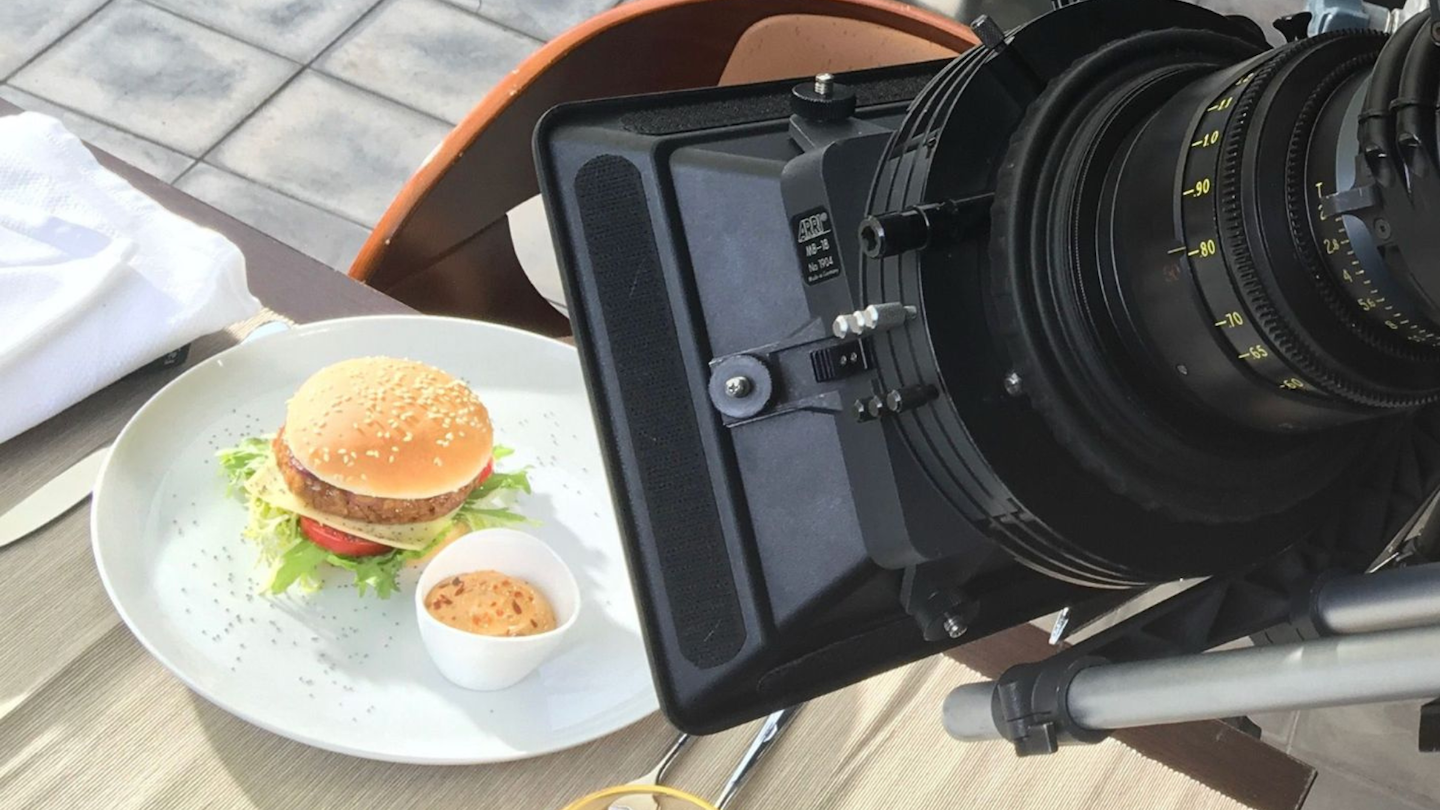
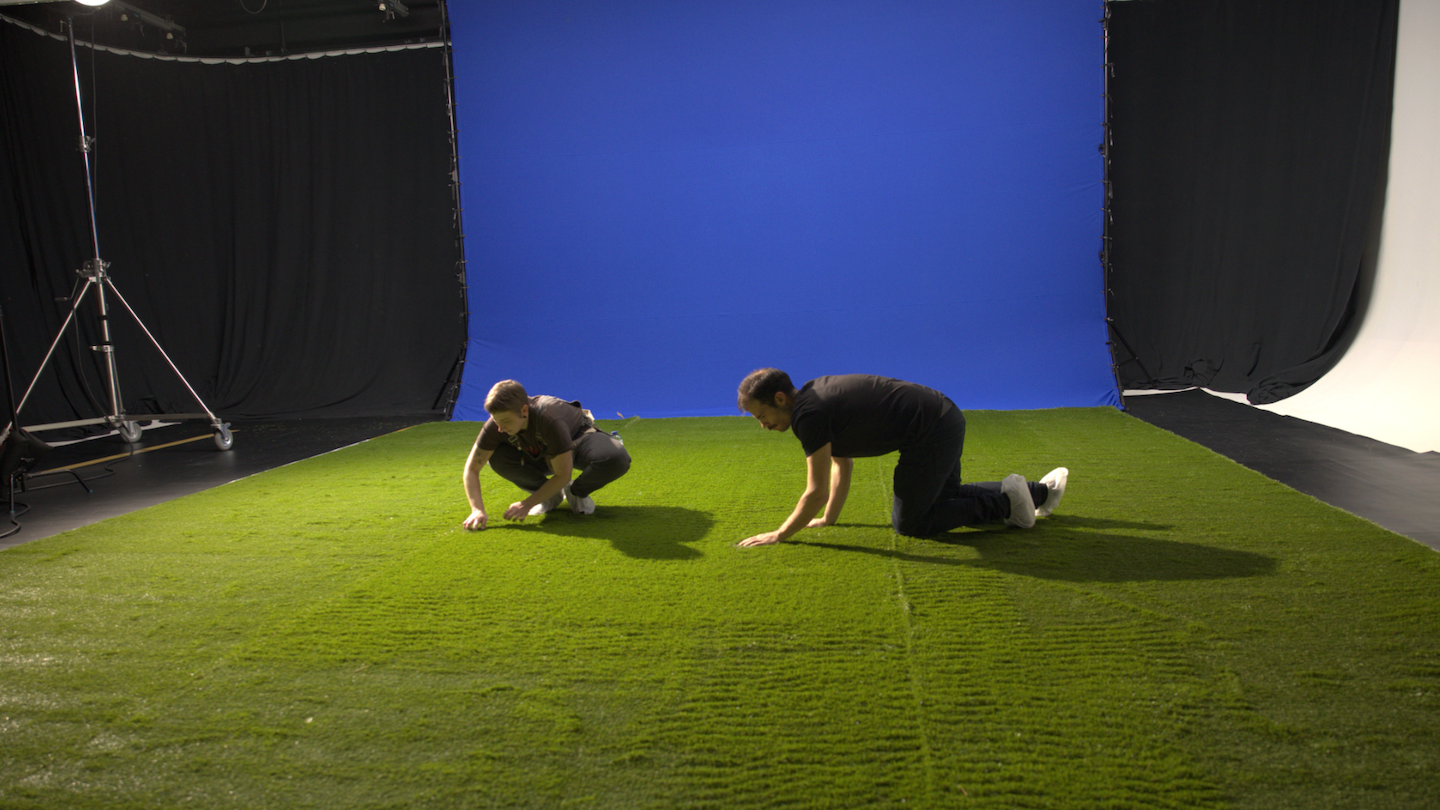
Commercial productions often present different challenges. For one campaign, the production required a perfectly smooth hamburger bun for a close camera shot. The solution involved locating a small regional bakery capable of producing the precise result needed and bringing in a food stylist to prepare the shot so it would hold up under lighting and camera conditions.
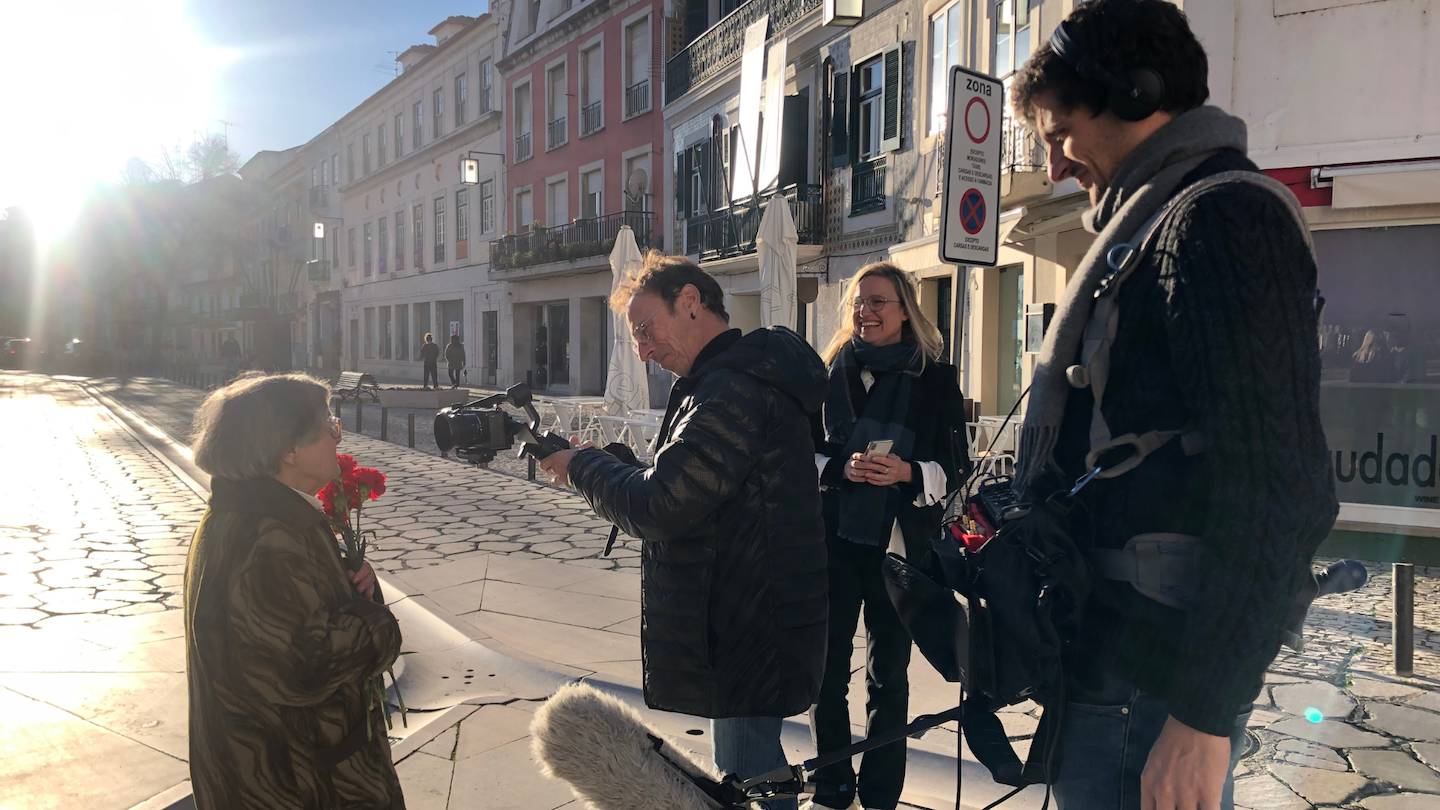
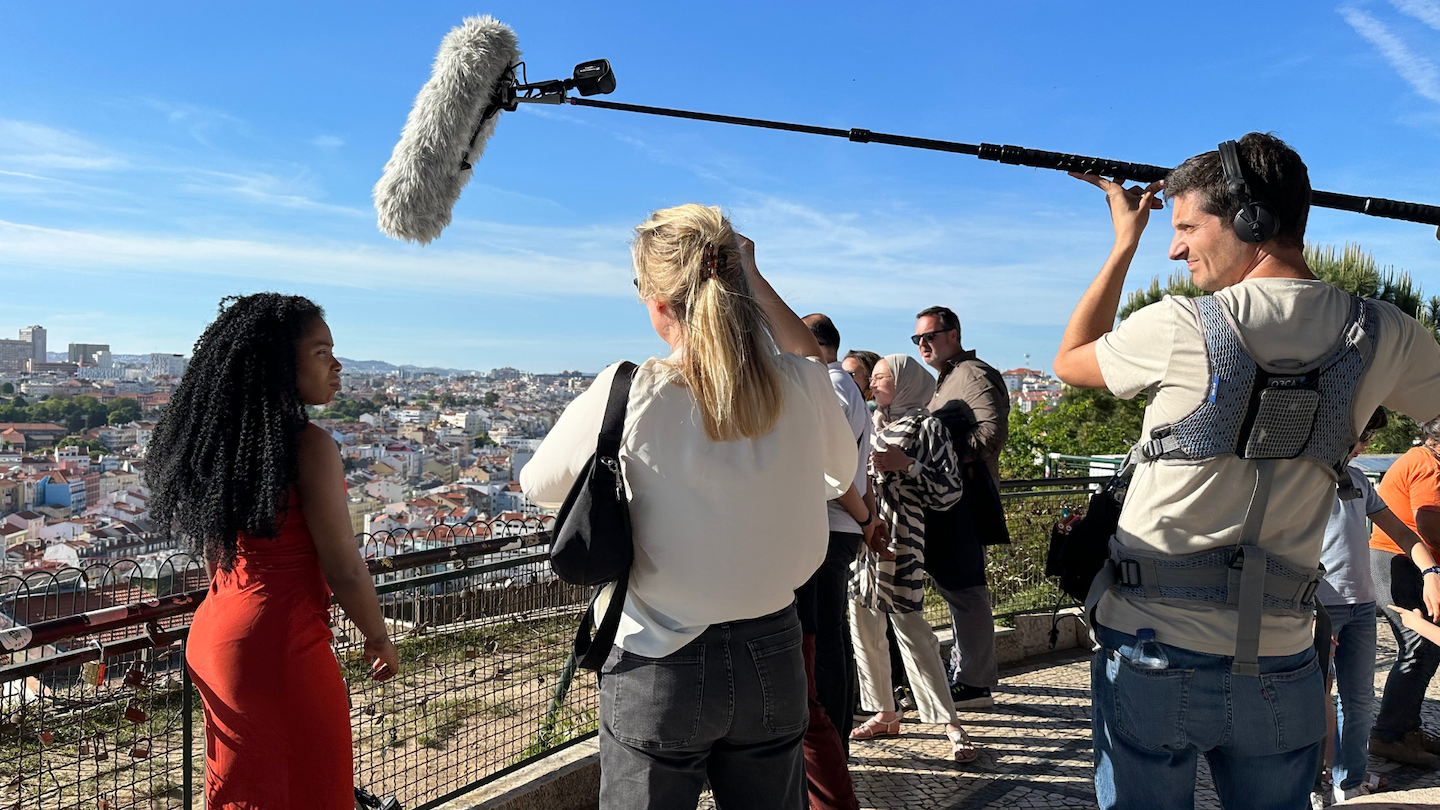
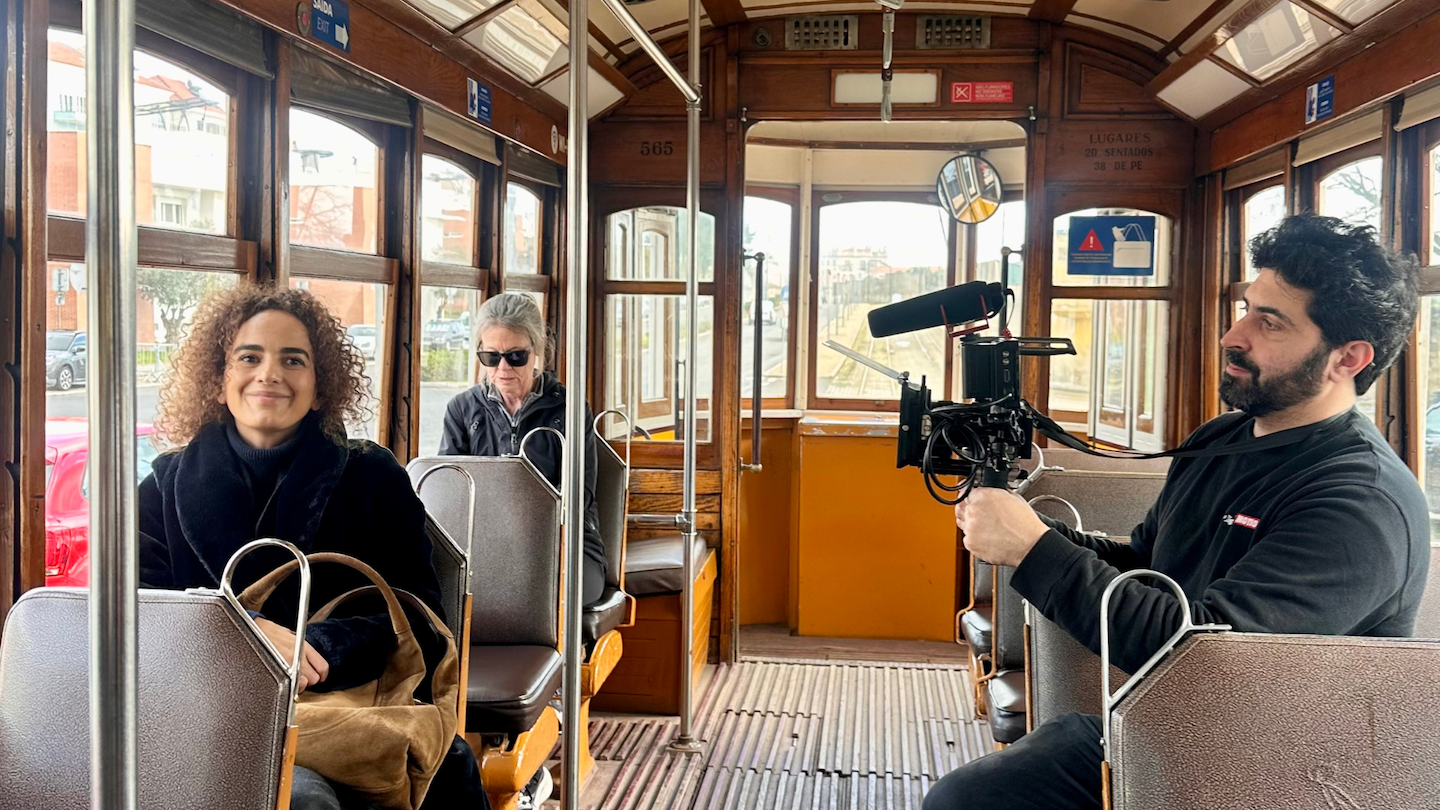
Other projects require deeper involvement from the outset. For a documentary about the Portuguese revolution for the French-German channel ARTE, our team of fixers worked closely with the director from early development through filming and into post-production. Long before the production arrived in Lisbon, we were already working on the ground, researching storylines, identifying key contributors, securing locations and progressing permits. We cast a main character to a very specific brief and connected the production with first-hand witnesses of the revolution, including journalists, photographers and historical participants. During filming, we managed locations, permits, logistics and local crew, while also supporting communication on set where language could otherwise become a barrier. After production, we continued supporting archive research and clearance, and organised the premiere in Lisbon with many of the contributors.
These examples highlight something that many visiting productions quickly discover. Filming in another country rarely fails because of the creative concept. It becomes difficult when the practical groundwork is not in place.
Portugal has become an increasingly attractive destination for international productions, from documentaries and branded content to music videos and advertising campaigns. While the country offers a wide range of locations and experienced professionals, navigating the production landscape still requires local understanding.
A Smarter Way to Produce Internationally
This is where the Digital Azul model offers a clear advantage. Because the fixer operates within an established production environment, international crews gain immediate access not only to local knowledge but also to equipment, technical support and experienced crew members when required.
Through Digital Azul Rental, productions can source cameras, lighting, tripods and additional equipment locally without the complexity of transporting everything internationally. Crews can also reinforce their teams with trusted professionals such as videographers, sound technicians or a local director of photography when needed.
For many projects, this combination of local coordination and technical support allows smaller production teams to operate far more efficiently. Rather than arriving with a large crew and a complex logistical structure, productions can rely on a local partner that already understands how to make the process work.
The role of the fixer, therefore, becomes something more than problem solving. It becomes the mechanism that allows a production to function smoothly in an unfamiliar environment.
With a local fixer, the efficiency and effectiveness of a foreign team are maximised. The shoot runs on schedule. Locations are ready. Equipment is available. Permits are secured. The creative team can focus entirely on telling the story.
In other words, the production simply works.
The Details Behind the Scenes